
GRIDFAILURE interview
For nearly a decade, GRIDFAILURE has lurked at the fringes of extreme music, constructing a world of post-industrial dread, apocalyptic tension, and experimental soundcraft unlike anything else in the underground. Spearheaded by multi-instrumentalist and sonic architect David Brenner, the project has evolved into a sprawling, multi-chapter concept — one that merges harsh electronics, doom ambiance, free-form noise, dark jazz, and field-recorded chaos into a uniquely destructive atmosphere.
Now, with the arrival of Sixth Mass-Extinction Skulduggery III, GRIDFAILURE reaches the defining peak of its ongoing five-album series. Clocking in at over 80 minutes and featuring contributions from more than two dozen collaborators - including Steve Austin (Today Is The Day), members of Vastum, T.O.M.B., Secret Cutter, Les Chants Du Hasard, Chrome Waves, and multi-platinum trumpeter Mac Gollehon - the album stands as the project’s most ambitious and unrelenting work to date. Set for release on October 3rd through Nefarious Industries, the record will also be available as a three-cassette box set compiling the entire trilogy of Skulduggery I–III.
Drenched in themes of societal collapse, climate violence, mass enslavement, and humanity’s slow-motion downfall, Sixth Mass-Extinction Skulduggery III is less an album and more a full sensory assault - one that blurs genre boundaries while amplifying GRIDFAILURE’s signature vision of sonic ruin.
We spoke with David Brenner to dig deeper into the creation of this massive release, the conceptual framework behind the series, the collaborative chaos behind the sessions, and what lies ahead as the saga continues.
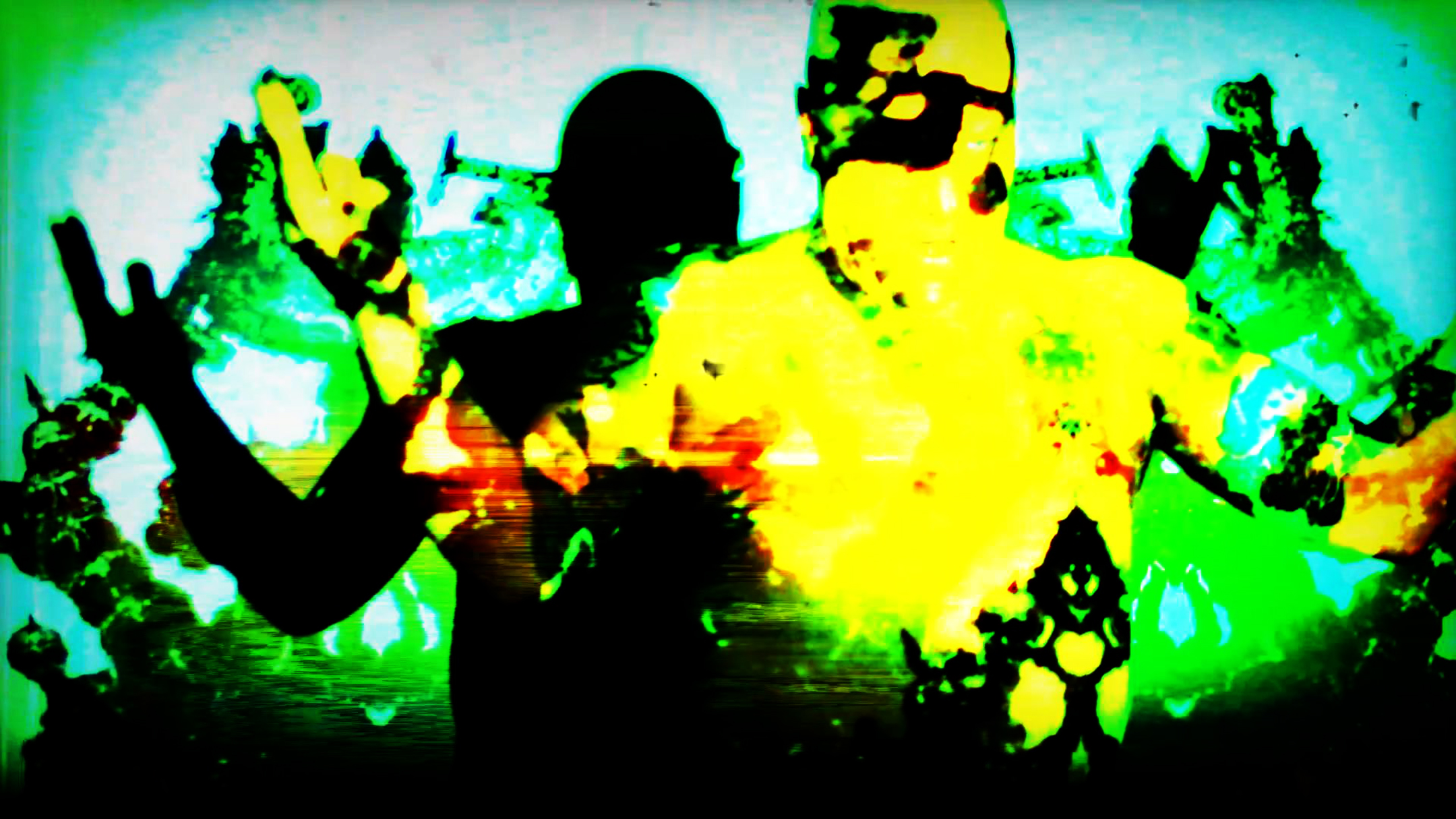
Your new album Sixth Mass-Extinction Skulduggery III marks the apex of a five-album concept series. What pushed you to make this installment the focal point of the arc, and how did your approach differ this time around?
The entire Sixth Mass-Extinction Skulduggery concept evolved over a few years. Initially, I was going to release two albums – Teeth Collection and Drought Stick – as GRIDFAILURE’s second and third albums, back in 2017 or so, in the earliest years of the project. As I began developing them, so many similar concepts and ideas crossed over the two albums and spawned into new material. I decided to expand the entire concept into what would become this ongoing five-album arc. So, Sixth Mass-Extinction Skulduggery I, II, and III, act as the current/ongoing and ever-worsening atrocities humanity is committing upon itself and the planet, and then Teeth Collection and Drought Stick will act as the post-apocalyptic chapters of the series. So, these records have been coming together and evolving over GRIDFAILURE’s entire existence; the project marks its tenth anniversary in February of next year, so by the time the final two albums are released, most of that material will be at least ten years old. It’s an odd progression, as the SMES I, II, and III albums grow more technical, layered, and expansive – culminating in the third album which was just released – and then the Teeth Collection and Drought Stick albums will be much more archaic, primitive, and ambient.
The concept deals with mass-enslavement, cannibalism, societal collapse, extreme weather disasters and humanity losing a war on itself. How do you navigate blending such dark thematic content with musical experimentation across genres?
The themes infused into all GRIDFAILURE are all visionary to what I, and many others, see happening in our world in real time. I do not deal in fantasy, I do not believe in or therefore reference any sort of God or religious deities or ideologies in my music, and there are certainly no happy endings in my music. This is grim content born from a harsh reality, so the ominous and demoralizing content is just second nature to GRIDFAILURE’s music in general. The individual songs across the albums in the SMES series do not follow a timeline; they’re more like collections of scattered short stories, recollections, diary entries, and random reports from various perspectives and events within the ongoing Anthropocene. GRIDFAILURE has a core sound that is extreme, ominous, and confrontational, and yet is pliable to include many styles and genres, many of which often come from outside collaborators. The band itself is my personal solo project, and some of the records are fully created by myself, but many of the albums infuse contributions from a wide range of friends and allies, each of whom provides a new perspective to any movement and modify a song and/or album’s overall vibe. It’s always both a challenge and a rewarding aspect to blend these talented folks into my art and instantly alter the direction of a song.
You’ve enlisted over two dozen guest collaborators — from Steve Austin (of Today Is The Day) to multi-platinum trumpeter Mac Gollehon. What does this scale of collaboration add to the work, and how did you keep the cohesion across the record?
Steve and Mac are both very close friends of mine and we all work together in a myriad of different ways. Mac and I also played on a song found on the new Today Is The Day album and are going to perform with them live coming up in Brooklyn. Mac is a regular collaborator to GRIDFAILURE, we’ve done a fully collaborative album and much more together, we’ve performed live together, and he’s on many GRIDFAILURE songs and records. This is the first album, with more to come, featuring Steve. On Sixth Mass-Extinction Skulduggery III, I performed primary vocals and an array of guitars, bass, drums/percussion, keys, synth, violin, theremin, field recordings, and other instruments/tactics, while orchestrating the project’s most extensive cast of collaborators to date, featuring additional lyrics, vocals, and guitar from Steve Austin (Today Is The Day) on five of its fifteen songs, as well as performances by Leila Abdul-Rauf (Vastum, Ionophore), Mac Gollehon (live/session for David Bowie, Duran Duran, Onyx, Blondie, Héctor Lavoe), Benjamin Levitt (Megalophobe, GRIDFAILURE-live), Richard Muller (Giant Spider, GRIDFAILURE-live), Greg Meisenberg (A Fucking Elephant, Dead Register, GRIDFAILURE-live), Lane Oliver (Yatsu, Diminishing), Jeff Wilson (Chrome Waves, Deeper Graves), Christopher Henry (Fuck Your Birthday, Humans Etcetera), Graham Scala (US Christmas, Interstitia, Bleach Everything), Dan Emery (Thetan), BJ Allen (Zero Trust, Xtinguish The Code), Clayton Bartholomew (Mountaineer), No One (T.O.M.B., Dreadlords), Morgan Evans (Walking Bombs), Hazard (Hasard, Les Chants Du Hasard), Pranjal Tiwari (Cardinal Wyrm, S.C.R.A.M.), Jared Stimpfl (Secret Cutter, Orphan Donor), Natan Vee (Cardinal Wyrm, Fyrhtu), Mike Giuliano (Big Happy), Josh Thorne (Cadaver Industry), Alex Haber, Rosa Henriquez, Pete Tsakiris, Isaac Campbell, and Rob Levitt. It was an incredible task to keep track of all these contributions and infuse them into one body of work, but I’m very pleased with how it all came together in the end, and these folks really helped create the album’s overall tone.
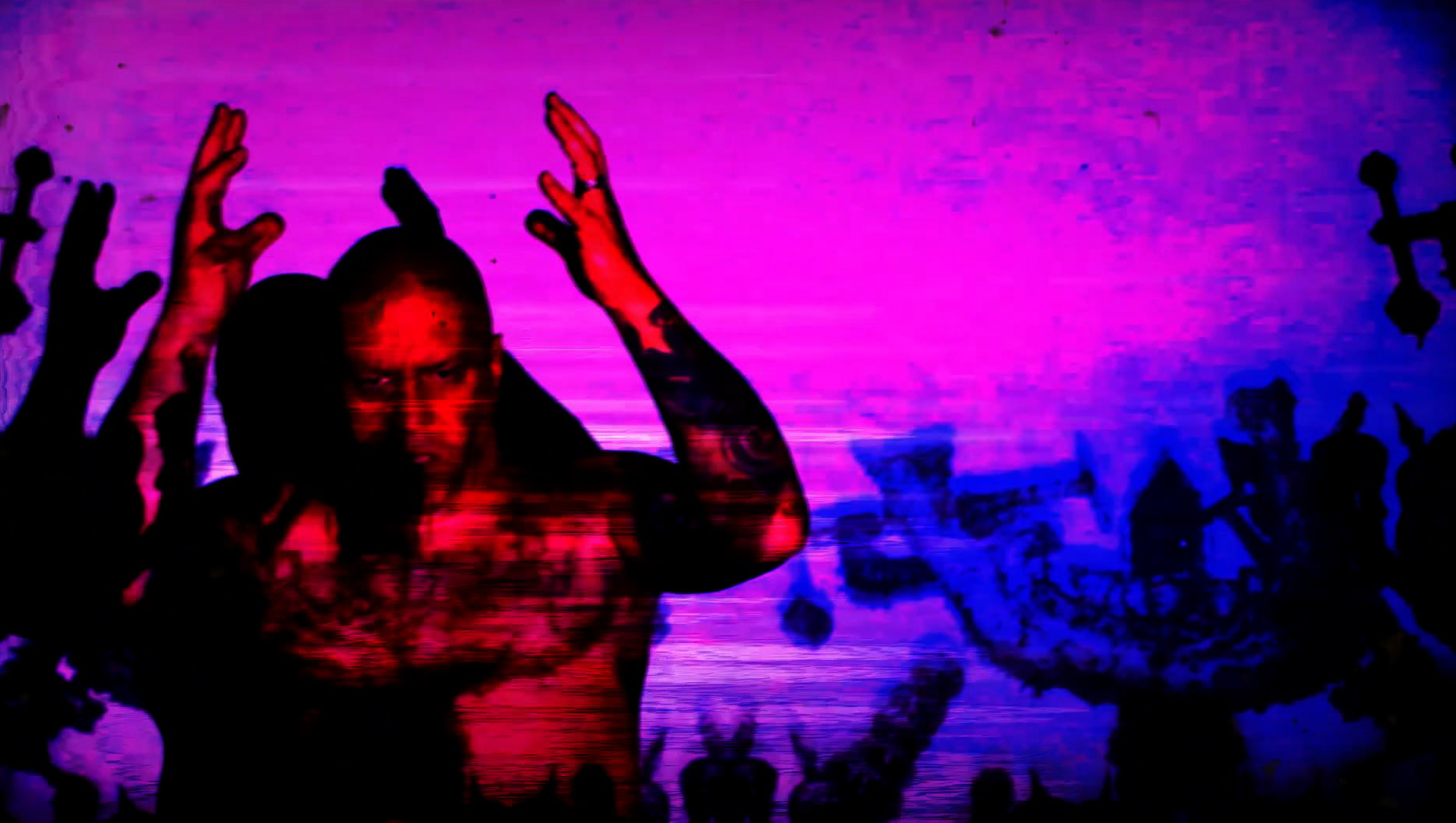
The record is over 80 minutes long, incorporates recordings from outdoors during extreme weather events, and spans jazz, classical, techno, folk, black metal, Americana and more. What challenges did you face in balancing such disparate elements without losing the core identity of the project?
That’s an interesting question, but it’s difficult to answer in any direct fashion since such disparate ideas and sounds are a sizable part of the project’s core identity and sound. This album series leans into some of them a bit more than many others. For example, I always infuse elements of weather into my records and collaborations, and I’ve recorded most of that stuff out in the elements, but on this series, I actually recorded some vocals in a severe storm while running lines into my house, ruining at least one microphone and some cables in the process, I recorded some guitar, hand drum/percussion sounds, noise elements, and more in other various storms, and more. Much of the cross-genre pollination comes with the collaborators who take part, since some of them hail from very different musical worlds/genres, are classically trained, and so on.
Some material dates back to 2015 and you’ve used field recordings, found sound, and non-traditional instrumentation (violin, theremin, contact mics). How did these temporal and technical layers influence the final texture of the album?
GRIDFAILURE output is primarily built around experimentation, improvisation, and nontraditional song structures, so the use of found sounds from nature, urban settings, industrial elements, and more, and the use of random instruments and other tools are all part of the project’s foundational DNA. I would say that for this series of albums, it was more about focusing on utilizing these elements to create more of a storyboard or arc – both album-to-album within the series and within the series overall – that may differentiate the process from some of my other records.
With such heavy themes and sonic intensity, is there a moment on the album where you felt you “let go” and just embraced chaos? If so - which track and why?
Yes. All. I think that’s sort of the underlying core style of GRIDFAILURE. It’s more like an out-of-hand art class in the middle of a violent civil uprising during a once-in-a-lifetime ecological disaster than a traditional band. Many of the songs and ideas are formed from a random captured sound or recording, rather than written and then performed. I may film a storm during a specific time of day while something terrible has happened in my life and those elements randomly converge into a thought for a song. My friends who collaborate within the project often send me random recordings that are not even planned for a specific song or use; I just infuse them into something I’m already working on, or I create something new around said material. I may just be playing around with a new pedal on multiple instruments and record a few bits of each and infuse them into something that calls to mind a specific lyric or phrase which then dictates the direction for a sound to take shape. Only a very small fraction of most of my material with GRIDFAILURE is written and planned to be delivered in a specific approach before I start recording it.
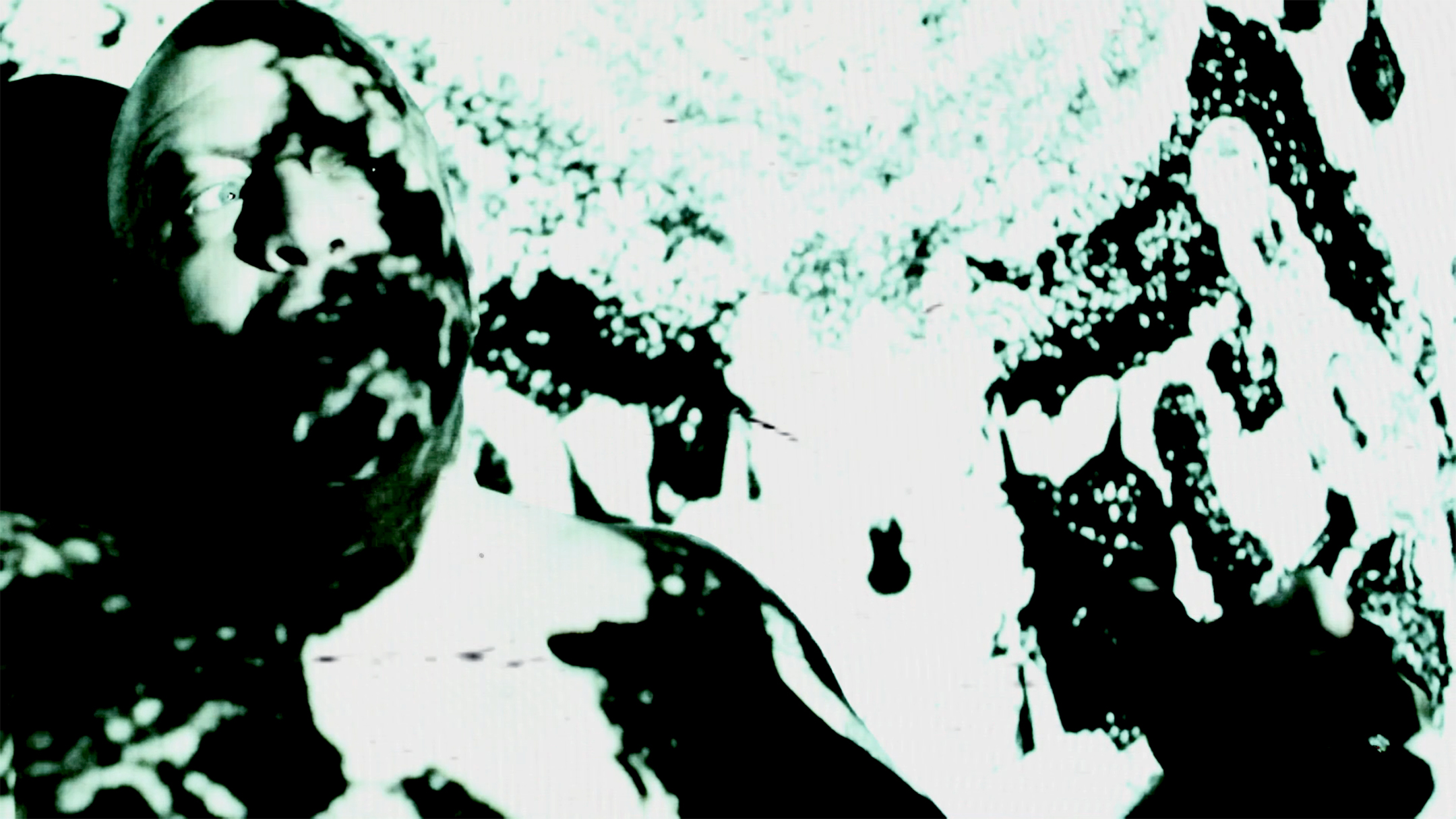
You’re working through a post-industrial/dark-hardcore foundation yet constantly branching into other genres. How do you define the “sound” of GRIDFAILURE at this point, and how much are you still challenging it?
I never really aimed to create a specific sound with GRIDFAILURE. I formed the project while I was playing with a long-running act of the dark ambient/post-industrial scene, but that project was incredibly elitist in its vision. When I parted ways with that upon the release of GRIDFAILURE’s debut album, I had already decided that I was not going to be part of some arrogant, restricted scene or band; I just wanted to create something terrifying and somewhat amorphous or undefined. The boundaries have since spread, and I’ve almost decided that “any” genre or sound could be weaved into this entity’s output. There’s something incredible about taking a beautiful or non-threatening sound and using it in a harrowing and aggressive manner; utilizing a melody, hook, or lovely voice to invoke a feeling of sadness or beauty within a menacing movement to create or perhaps focus on a feeling or notion that may not otherwise make it through the song’s output. Obviously, this project does not yield positive or in any way mainstream/digestible output, but I don’t really see putting any specific genre boundaries in place at this point.
Looking ahead: you’ve framed this release as part three of five. What do you envision for the final two chapters, and how do you hope this middle chapter sets the stage for what comes next?
This installment ends the first “half” of the series. Teeth Collection and Drought Stick have both been 50 to 75% recorded, written, and envisioned for years – slowly evolving and changing as I dip in and out of them – so completing those two massive albums together or back-to-back will be a major focus for the coming months. I would love to see both Teeth Collection and Drought Stick to see completion to be released in 2026 for the tenth anniversary of GRIDFAILURE, but I don’t see that as a realistic possibility since I’ve got a stack of other records in the final stages now for release next year. I’ve literally always got two-dozen albums/releases under construction at any given time. Right now I’ve got the GRIDFAILURE & TOVARISH collaboration being mastered by Dan at Black Matter Mastering, audio for the first of several GRIDFAILURE & PORNOHELMUT collaborative releases is done and we’re working on video content for that, the fourth GRIDFAILURE & MEGALOPHOBE collaborative album is about 95% recorded, more collaborative material with Mac Gollehon and I has been recorded, I’ve got a folk/Western-inspired “Harsh Americana” sounding album heavily underway, an EP/lathe release for Anti-Corp Music half/heavily recorded, a split with DEEPER GRAVES coming together for release early next year, with many other records also in some sort of stage of production, so it’s always just a matter of focusing on completing a record and moving onto another. Not to mention my other bands projects including DIMINISHING with two new releases coming together for next year, a collaborative double-album with Chrisitan Molenaar under our BRENNER & MOLENAAR entity, a new hardcore-punk outfit I’m working with, and several others.
For fans experiencing Sixth Mass-Extinction Skulduggery III for the first time, what do you hope they feel and think after listening — and how should they approach it (one go, split sessions, visuals, etc.)?
82-minutes is an exhausting amount of music for most listeners, and this is just not the type of record most music fans – even extreme/heavy music fans – are generally going to consume on a massive scale. However, I think the best way to hear any album the first time is the whole way through. Obviously, you may hear a single or see a video somewhere that draws you to an album, but once that happens, hear the whole album one time through. You’re only doing yourself a possible disservice by only listening to part of it. I love creating videos and visual content for my music, but it’s simply impossible to find the time to do so when releasing up to six GRIDFAILURE records every year. The SMES III yielded three videos ahead of its release, and I’ve got two more to complete and drop now that the album is out, but for the whole story, you can stream all three albums, purchase the 3x cassette box set of all three SMES albums, view all videos for the three albums, and more at Nefarious Industries: https://www.nefariousindustries.com/collections/GRIDFAILURE-sixth-mass-extinction-skulduggery.
More information visit: https://gridfailure.bandcamp.com/album/shards-in-the-wire | https://www.instagram.com/gridfailure/






 Loading...