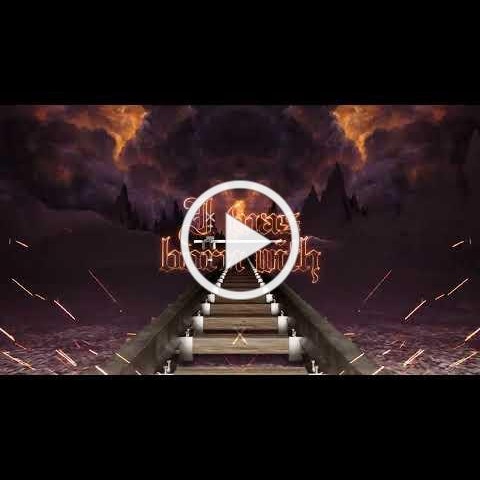

MOMENT's debut album Resilience is available on digital platforms, with the official video for single ‘Poisoned Reality’ included in the release announcement. The Santiago quartet combines hardcore and nu metal across seven songs concerned with emotional wounds, mental health and rebuilding after difficult experiences.
‘Poisoned Reality’ examines systems and external pressures that can shape identity. In the album's narrative, it joins ‘Nobody’ in addressing the recovery of personal autonomy. Its accompanying video provides a visual counterpart to a song within the larger conceptual release.
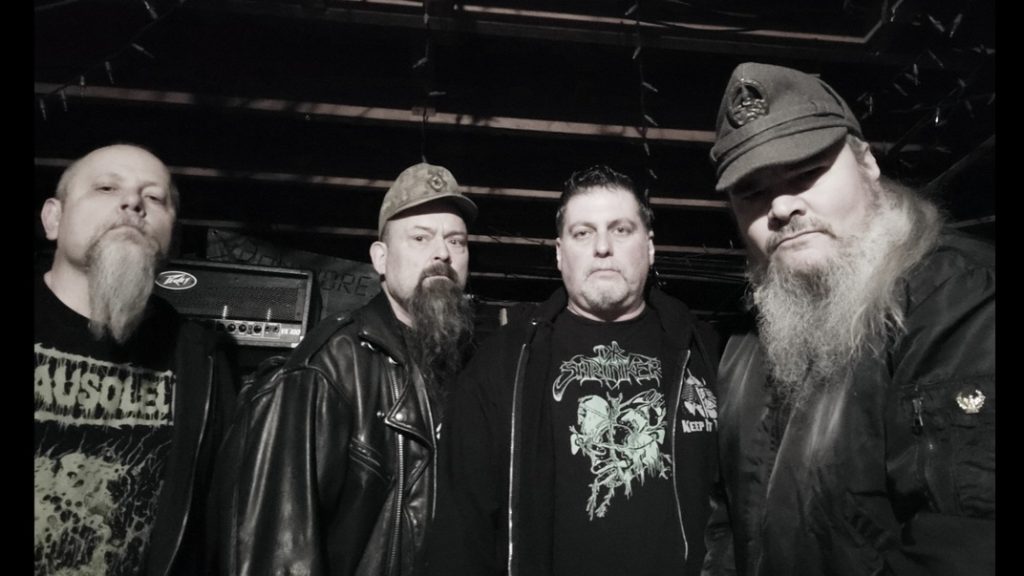
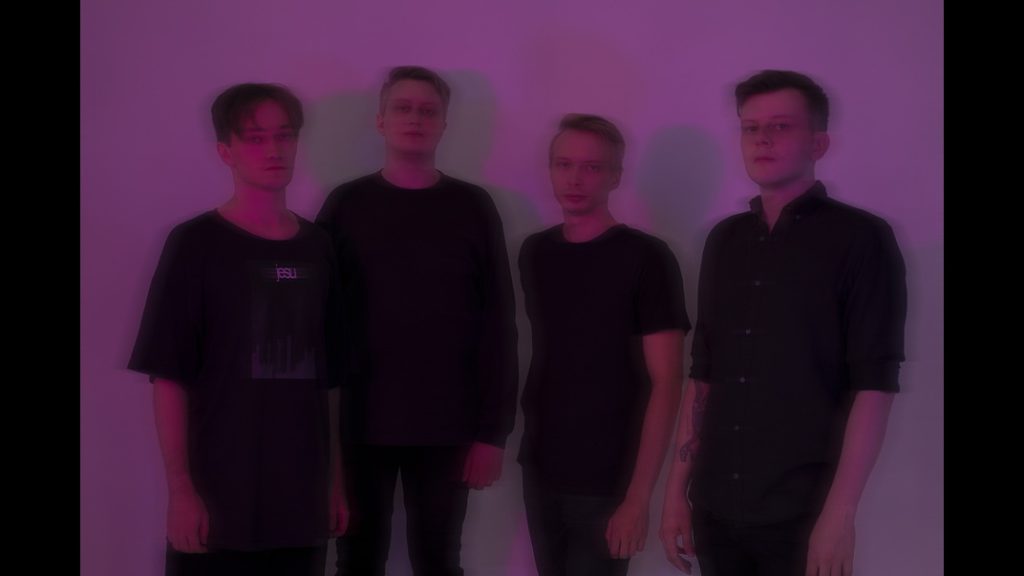
The announcement, supplied by Alcaloide Música, identifies new vocalist Ktrala alongside Daniel Cubillan on bass, sequences and vocals, Alberto Briceño on drums, and Eduardo Díaz on guitar and vocals. It describes the band's approach through heavy guitars, forceful rhythmic foundations and tense atmospheres, intended to connect with experiences of frustration, anxiety and loss.
Resilience introduces the first chapter of MOMENT's Pilares del Tiempo concept, which connects mental health with relationships to the past, present and future. Those three dimensions are represented by pillars forming an ‘M’. This album concentrates on the Pilar del Pasado, addressing loss, guilt and relationships that continue to affect how people face their lives.
The seven-song sequence begins with ‘One Last Talk’ and ‘Brittle Hope’, which address farewell and mourning. ‘Adrenaline’ and ‘Breaking Free’ move into personal doubts and unresolved wounds, before ‘Nobody’ and ‘Poisoned Reality’ turn toward autonomy and outside influences. Closing song ‘Overcame’ approaches acceptance of emotional scars as a possible starting point for another stage of life.
According to the announcement, each song serves a role in that progression, with the message and connection to listeners taking priority over technical display. MOMENT frame the debut as an opening for conversations about mental health and the possibility of transforming painful experiences, rather than allowing the past to determine what follows.